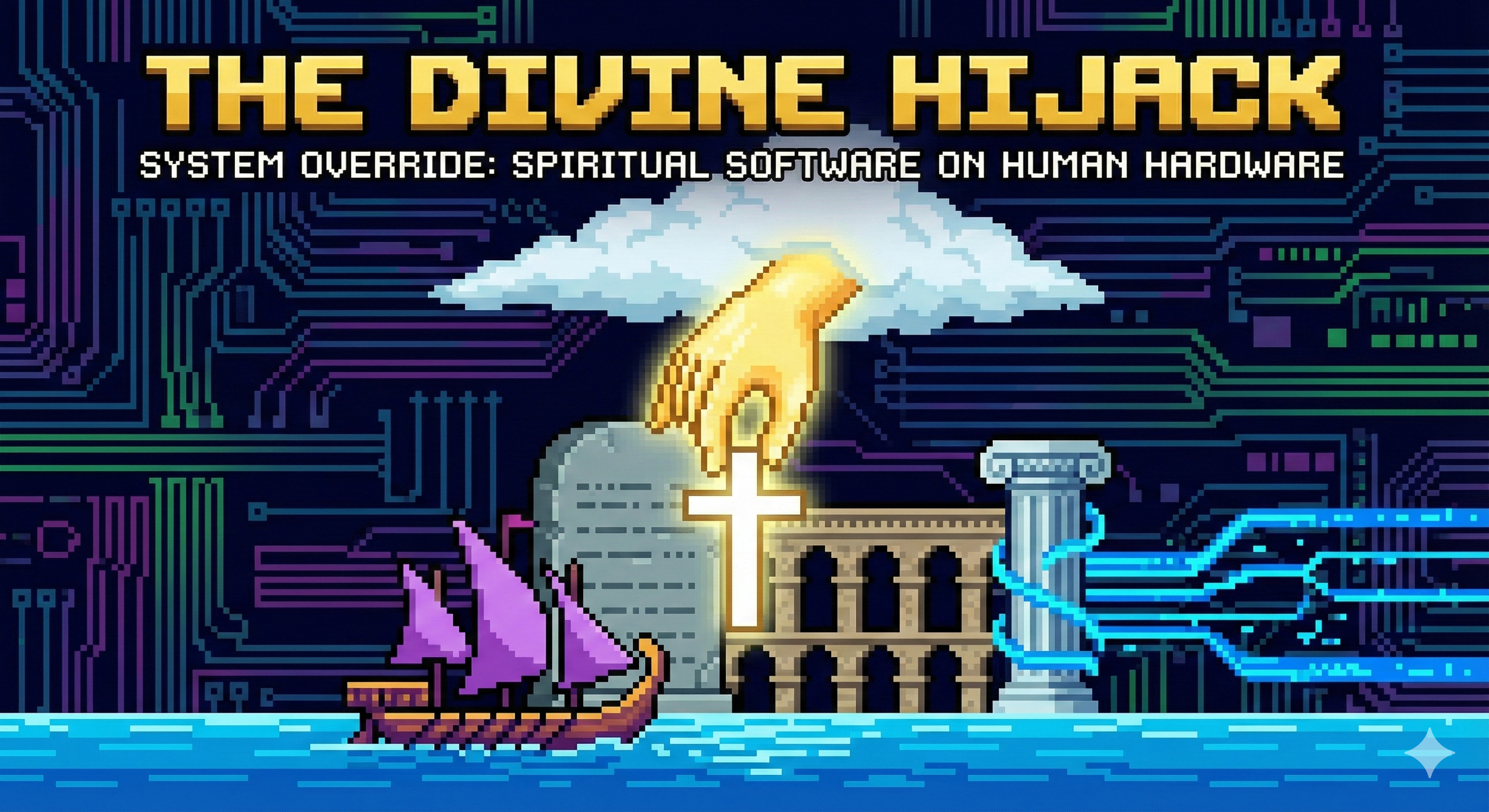
OPERATIONAL CONTEXT: God rarely invents new "Hardware" (technology, empire, logistics). Instead, He acts as a Supreme Hacker. He allows the Adversary to build the infrastructure, and then He invades it, strips the malware, and installs His own "Software" (The Gospel) to run on the enemy's machine.
SYSTEM INITIALIZATION
During the first century, the Mediterranean world was entirely dominated by the Roman Empire. When early Christians began writing the New Testament and proclaiming Jesus as the "Son of God" who brought a new kingdom, they were not inventing new terminology in a vacuum.
They were deliberately co-opting and subverting the highest political and religious language that already belonged exclusively to the Roman Emperor. This document traces the forensic takeover of Imperial rhetoric and infrastructure by the Kingdom of Heaven.
They were deliberately co-opting and subverting the highest political and religious language that already belonged exclusively to the Roman Emperor. This document traces the forensic takeover of Imperial rhetoric and infrastructure by the Kingdom of Heaven.
// SYSTEM DIRECTORY: MODULE ACCESS
[ I ] THE DOCTRINE: HARDWARE VS. SOFTWARE
[ II ] THE CODE: THE ALPHABET HACK
[ III ] THE STRUCTURE: TEMPLE IRONY
[ IV ] THE OPERATING SYSTEM: LOGOS
[ V ] THE INFRASTRUCTURE: ROMAN ROADS
[ VI ] THE ROMAN EMPEROR: DIVI FILIUS
[ VII ] JESUS CHRIST: THE TRUE SON OF GOD
[ VIII ] COMPARING THE TWO KINGDOMS (MATRIX)
[ IX ] THE SUBVERSION OF IMPERIAL LANGUAGE
[ X ] THE ENDGAME: GEOPOLITICAL CHECKMATE
> I. THE DOCTRINE: HARDWARE VS. SOFTWARE
The defining pattern of Yahweh's geopolitical strategy is "Plundering the Egyptians" (Exodus 12:36). This is not just about gold; it is about intellectual and technological capital.
The Adversary (Baal/Melqart) excels at building systems of power, commerce, and communication. God does not destroy these systems; He annexes them. He takes the finest materials the pagan world produces and consecrates them to Himself.
The Adversary (Baal/Melqart) excels at building systems of power, commerce, and communication. God does not destroy these systems; He annexes them. He takes the finest materials the pagan world produces and consecrates them to Himself.
SYSTEM LOGIC:
IF (Enemy builds efficient network)
THEN (Do not destroy network)
ELSE (Hijack network + Deploy Truth Software)
THEN (Do not destroy network)
ELSE (Hijack network + Deploy Truth Software)
> II. THE CODE: THE ALPHABET HACK
The Old System (The Firewall): Egypt (Hieroglyphs) and Babylon (Cuneiform) used writing systems that were intentionally complex. They required years of training. This kept knowledge—and specifically theological knowledge—locked behind a firewall of scribal priests.
The Phoenician Hack: To facilitate trade, the Phoenicians simplified writing into 22 characters that represented sounds, not concepts. It was "Open Source." A child could learn it in weeks.
System File: The Cedar, The Sea, and The Number
The Phoenician Hack: To facilitate trade, the Phoenicians simplified writing into 22 characters that represented sounds, not concepts. It was "Open Source." A child could learn it in weeks.
THE DIVINE HIJACK:
Just as God hijacked Roman roads to spread the Gospel, He hijacked the Phoenician Alphabet to record the Bible.
Hebrew is a Canaanite dialect written in the Phoenician script. This democratization of literacy meant that the Law of Moses could be read by the people, not just the priests. It moved religion from "Secret Magic" to "Public Law."
Explanatory side note: "Modern" Hebrew script you see today is actually the Aramaic square script. During the Babylonian Exile (6th century BCE), Jews began adopting Aramaic for official business and eventually adopted its calligraphy, which evolved into the modern Hebrew alphabet.
Hebrew is a Canaanite dialect written in the Phoenician script. This democratization of literacy meant that the Law of Moses could be read by the people, not just the priests. It moved religion from "Secret Magic" to "Public Law."
Explanatory side note: "Modern" Hebrew script you see today is actually the Aramaic square script. During the Babylonian Exile (6th century BCE), Jews began adopting Aramaic for official business and eventually adopted its calligraphy, which evolved into the modern Hebrew alphabet.
> III. THE STRUCTURE: TEMPLE IRONY
There is a massive, deliberate irony in the construction of Solomon's Temple.
The Material: The Temple was built with Phoenician Hardware. The cedar, the stone, the bronze, and the architect (Hiram of Tyre) were all products of the Baal-worshipping maritime empire.
The Spirit: It was inhabited by Yahweh's Software (The Shekinah Glory, The Law).
The Material: The Temple was built with Phoenician Hardware. The cedar, the stone, the bronze, and the architect (Hiram of Tyre) were all products of the Baal-worshipping maritime empire.
The Spirit: It was inhabited by Yahweh's Software (The Shekinah Glory, The Law).
THE GEOPOLITICAL STATEMENT:
God stripped the Adversary of his best assets. He took the finest materials the pagan world could produce—materials usually dedicated to Melqart—and consecrated them to Himself.
The Message: "The earth is the Lord's, and the fullness thereof." He didn't reject the physical excellence of Tyre; He annexed it.
The Message: "The earth is the Lord's, and the fullness thereof." He didn't reject the physical excellence of Tyre; He annexed it.
> IV. THE OPERATING SYSTEM: LOGOS
Before Pythagoras: The pagan world was ruled by Mythos—stories of chaotic, bickering gods (Zeus, Baal, Marduk).
After Pythagoras: He introduced Logos—the idea that the universe is ruled by immutable, rational, mathematical laws.
After Pythagoras: He introduced Logos—the idea that the universe is ruled by immutable, rational, mathematical laws.
THE PREPARATION:
This shift from Chaos to Order prepared the Western mind for the ultimate concept: "In the beginning was the Logos" (John 1:1).
Pythagoras (likely trained in the East) cleaned the mental slate of the West, scrubbing away the chaotic superstitions so that the structured truth of the Gospel could eventually be installed.
Pythagoras (likely trained in the East) cleaned the mental slate of the West, scrubbing away the chaotic superstitions so that the structured truth of the Gospel could eventually be installed.
> V. THE INFRASTRUCTURE: ROMAN ROADS
The Roman Empire was the most efficient "World Access Machine" ever built. It had roads, a common legal system, and suppression of piracy (Pax Romana).
The Adversary built Rome to conquer the world for Caesar. God used Rome to conquer the world for Christ.
System Architecture: The Roman Empire
The Adversary built Rome to conquer the world for Caesar. God used Rome to conquer the world for Christ.
SYSTEM-WIDE DEPLOYMENT:
Paul the Apostle utilized the Roman legal system (Citizenship) and the Roman transit system (Roads/Shipping) to deploy God's software. The Empire provided the very mechanism for its own spiritual replacement.
> VI. THE ROMAN EMPEROR: DIVI FILIUS
The concept of a Roman ruler being the "son of a god" solidified just before the birth of Jesus. After Julius Caesar was assassinated, the Roman Senate officially deified him. His adopted heir, Octavian (who became Caesar Augustus), subsequently took the title Divi Filius ("Son of the Divine" or "Son of God").
Augustus brought an end to decades of civil war, establishing the Pax Romana (Roman Peace). Because he brought order to the known world, he was hailed as a savior. This imperial cult meant that pledging allegiance to Rome wasn't just political; it was profoundly religious.
The Mechanics of the Empire
The Emperor's "kingdom" (the Empire) operated on specific, brutal principles:
- Military Might: The Pax Romana was not a peace of mutual agreement; it was enforced by the brutal efficiency of the Roman legions. Resistance meant destruction.
- Economic Control: Heavy taxation and tribute flowed constantly from the subjugated provinces back to Rome, funding the monuments and the elite.
- Top-Down Domination: Power was exercised by crushing enemies and asserting absolute, unquestionable authority over the material world.
> VII. JESUS CHRIST: THE TRUE SON OF GOD
Jesus was born during the reign of Caesar Augustus and was executed under the reign of his successor, Tiberius. By claiming the title "Son of God," Jesus and his followers were directly challenging the Emperor's claim to ultimate sovereignty.
However, Jesus’ "kingdom" operated on principles that were the exact inverse of Rome’s top-down domination:
- Not of This World: His kingdom was not established through violence or political maneuvering. When standing before Pilate, the representative of Rome, Jesus stated:
"My kingdom is not of this world. If my kingdom were of this world, my servants would have been fighting, that I might not be delivered over to the Jews. But my kingdom is not from the world."
John 18:36 (ESV)
- Servant Leadership: Rather than subjugating others to consolidate wealth and power, the true king serves and dies for his subjects. The crucifixion itself—Rome's ultimate tool of state terror and humiliation—was hijacked and turned into a symbol of ultimate victory.
- Internal Peace: Instead of a peace enforced by the threat of the sword (Pax Romana), it was a peace achieved through internal reconciliation with God and the transformation of the human heart.
> VIII. COMPARING THE TWO KINGDOMS
| Concept | The Roman Emperor | Jesus Christ |
|---|---|---|
| Claim to Divinity | Divi Filius (Adopted son of deified Caesar) | Begotten Son of God |
| Domain | Geopolitical territory (The Roman Empire) | The Kingdom of Heaven (Spiritual and global) |
| Nature of Power | Wealth, monuments, and top-down domination | Humility, service, and sacrifice |
| Method of Peace | Pax Romana (Peace enforced by military threat) | Peace with God and inner transformation |
| Enforcement | The sword, legions, and taxation | Voluntary submission and the Holy Spirit |
> IX. THE SUBVERSION OF IMPERIAL LANGUAGE
Because the early Christians lived under Roman rule, they had to communicate their revolutionary reality within the existing framework. Almost every major theological term they used was a hijacked political term, repurposed to declare the supremacy of Christ over Caesar.
Gospel (Evangelion)
In the Roman world, an evangelion was a royal announcement—it was literally "good news" dispatched by messengers regarding a military victory or the birth of an heir to the Emperor. Christians hijacked this imperial broadcast system. They used evangelion to announce the ultimate victory of Jesus over sin and death, rendering Caesar's "good news" obsolete.
Lord (Kurios)
This was a title of absolute authority demanded by Caesar. When early Christians confessed the foundational creed "Jesus is Lord" (Iesous Kurios), it was an act of theological defiance. The unspoken, highly treasonous second half of that sentence in the Roman context was always: "...and Caesar is not."
FINAL ANALYSIS
The history of the Kingdom of Heaven in the first century is the history of God hacking the Enemy's best political and linguistic inventions. The Empire built the roads, established the common language, and crafted the terminology of ultimate authority. The early Church simply walked onto those roads, spoke that language, and applied those titles to the true King.
> X. THE ENDGAME: GEOPOLITICAL CHECKMATE
Tyre was the "Capital of the Old World Order" (Ezekiel 28). It was the hub of the exploitative maritime oligarchy.
By judging Tyre (via Alexander) and Carthage (via Rome), Yahweh destroyed the "Sea Beast" system and shifted the center of gravity to the "Land Beast" (Rome). This was necessary because a maritime oligarchy is fluid and chaotic; an empire of law (Rome), despite its flaws, provided the stability needed for the Messiah to arrive and the Church to take root.
Enemy Profile: The Serpentine Protocol
By judging Tyre (via Alexander) and Carthage (via Rome), Yahweh destroyed the "Sea Beast" system and shifted the center of gravity to the "Land Beast" (Rome). This was necessary because a maritime oligarchy is fluid and chaotic; an empire of law (Rome), despite its flaws, provided the stability needed for the Messiah to arrive and the Church to take root.
> SYSTEM ARCHITECT
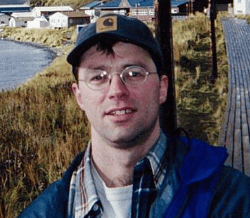
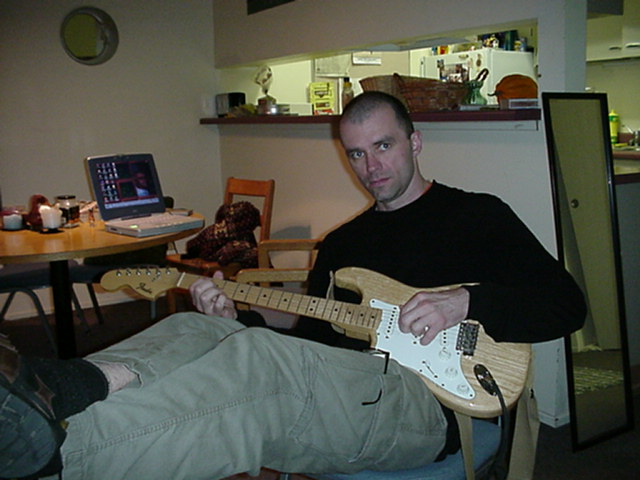


Lance Miller is the architect of lancemiller.org. His operational history includes a winter-over in Antarctica (Operation Deepfreeze '96, Congressional Medal), four years in the Alaskan fishing industry (Bering Sea, '99), and fighting the historic Biscuit Fire in the Siskiyou Mountains (2002). Holding a B.S. (2003), he later served as a Test Engineer on a technology team that won an Emmy Award (2008). Based in Seattle, he now merges Unix philosophy with theology to decode the Western Tradition.
[ X.COM PROFILE ]
[ X.COM PROFILE ]
[ TAP OPTIC TO CLOSE ]