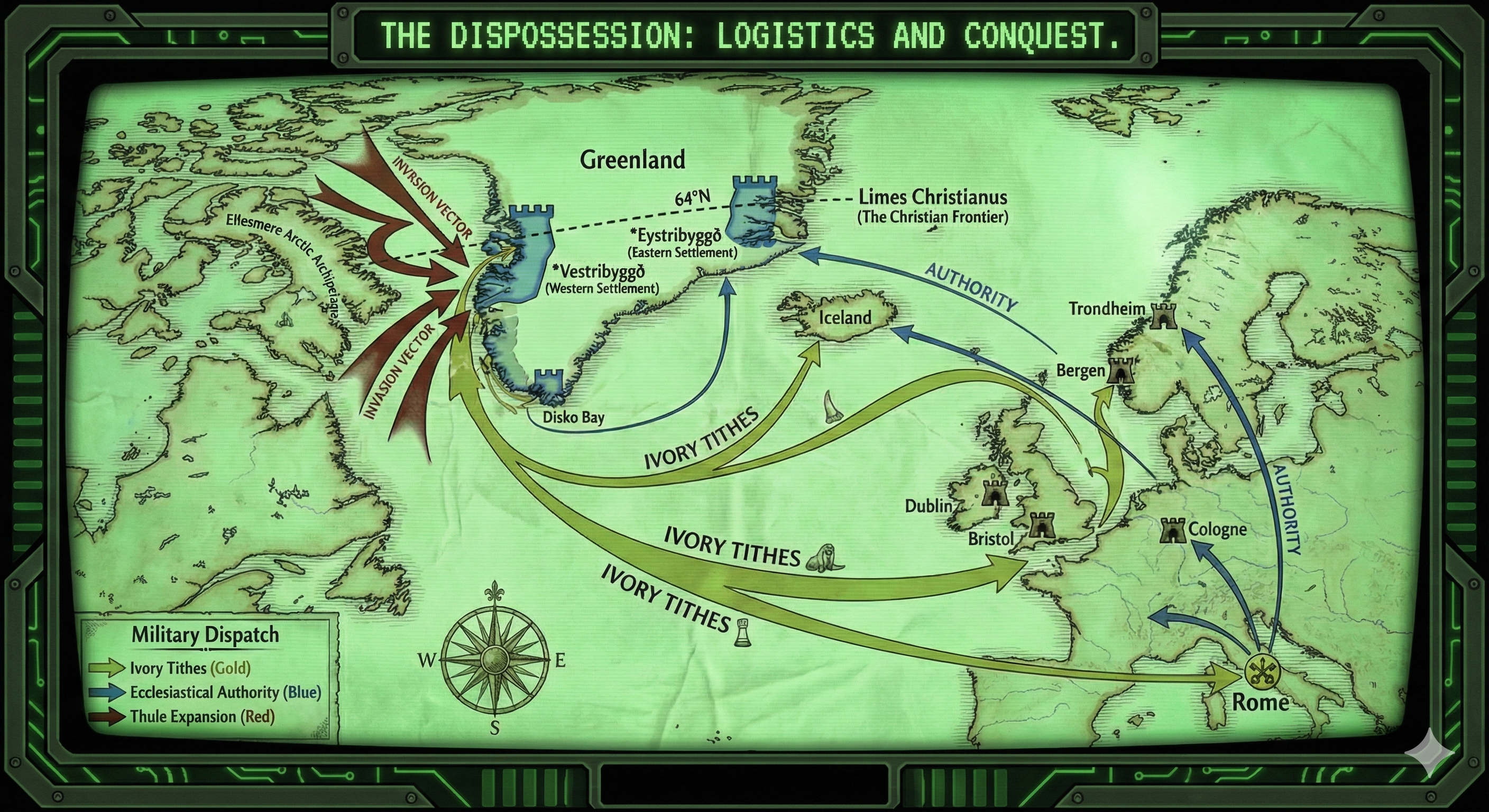
[ SYSTEM: TERMINAL MAP VISUALIZATION ]
The Dispossession
A Forensic Audit of the Greenlandic Diocese (985–1450 AD)
SYSTEM ALERT: The historical narrative of the Americas has been intentionally inverted. This dossier documents the existence of a sovereign, white Christian nation in North America that was not "abandoned," but invaded and ethnically cleansed by a foreign expansionist force.
The fall of Norse Greenland was a regression from Civilization back to Tribalism. A society of laws, written records, and global trade was violently displaced by a stone-age culture operating on retributive violence. The "Native" narrative is a lie; the Inuit were the imperialists who conquered a weakened European outpost through sheer force of numbers and aggression.
The fall of Norse Greenland was a regression from Civilization back to Tribalism. A society of laws, written records, and global trade was violently displaced by a stone-age culture operating on retributive violence. The "Native" narrative is a lie; the Inuit were the imperialists who conquered a weakened European outpost through sheer force of numbers and aggression.
// SECTOR 01: THE ESTABLISHED ORDER (THE VICTIM)
Long before the Thule Inuit migration reached the area, Greenland was a fully integrated province of Christendom. By 1124 AD, the Vatican had established the Bishopric of Garðar. This was not a campsite; it was a diocese with a cathedral (St. Nicholas) built of stone, featuring glass windows and a bell tower.
The defining characteristic of this civilization was its legal "braking system" on violence. The society operated under the Grágás legal code, mirroring the high culture of Iceland. It was a "Wergild" society—a civilization where blood feuds were mitigated by fines and legal arbitration. This monetary restitution for violence created a "fertile ground" for order and the Gospel, contrasting sharply with the unrestrained retributive violence of the tribes that would soon invade.
SYSTEM REFERENCE: THE MECHANICS OF BLOOD FEUDS VS. WERGILD
TERRITORIAL CLAIM:
The "Line of Civilization" was established at Latitude 64°N. To the south lay the farms and churches of the Kingdom of God. To the north lay the Nordsetur (Northern Hunting Grounds).
[ SATELLITE CONFIRMATION: THE NORTHERN FRONTIER OF ROME ]
[ SATELLITE CONFIRMATION: THE NORTHERN FRONTIER OF ROME ]
// SECTOR 02: THE INDUSTRIAL ENGINE
The colony was an industrial enterprise. When the Islamic conquests cut off elephant ivory from Europe, Greenland became the sole supplier of ivory for the Catholic Church. Tributes to the Vatican were paid in tusks, linking the Arctic directly to Rome.
| Hub | Function |
|---|---|
| Trondheim & Bergen | Primary royal and ecclesiastical ports for taxation. |
| Dublin & Bristol | Artisan workshops converting raw tusks into luxury goods like the Lewis Chessmen. |
| The East (Rus/Baghdad) | Indirect trade routes moved Norse ivory into Islamic markets and eventually the Silk Road. |
// SECTOR 03: THE INVASION (1200–1450 AD)
The Thule Inuit were not indigenous to the settled areas of Greenland. They arrived from the North American continent around 1200 AD—two centuries after the Norse had built their cathedrals. This was not a "cultural exchange"; it was a hostile military takeover by a technologically distinct force (dog sleds, recurve bows) that seized Christian territory through violent belligerence and lawless force.
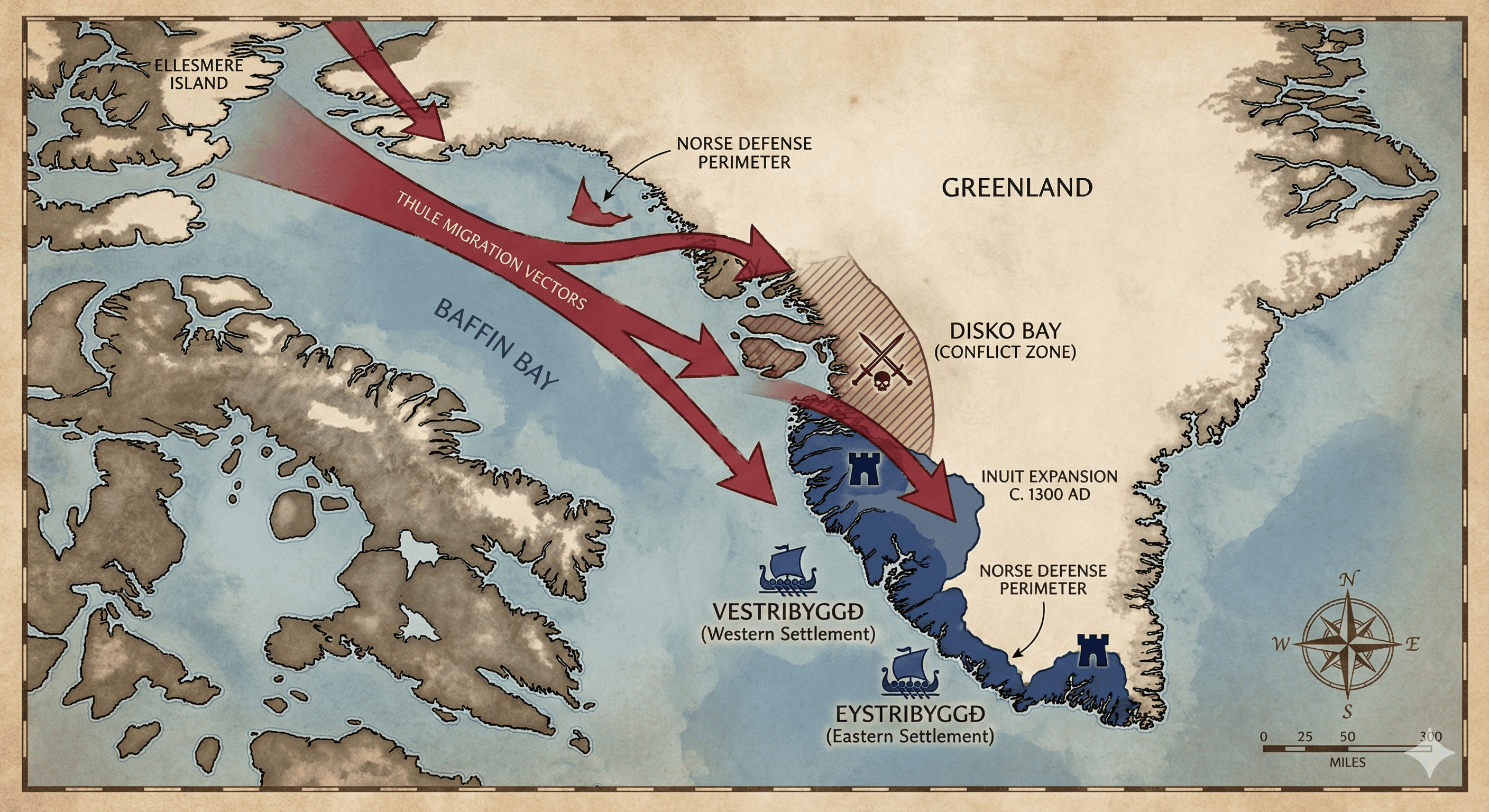
FIGURE 1: FLANKING MANEUVER FROM ELLESMERE ISLAND INTO SOVEREIGN TERRITORY
This was a war of annihilation. The indigenous Dorset (Tuniit) people were wiped out by the Thule advance before the invaders turned their attention to the Norse.
EVIDENCE OF GENOCIDE (THE SMOKING GUN):
"Now the Skrælings [Inuit] have all the Western Settlement; there are left horses, goats, cows, and sheep, all wild, and no people, Christian or heathen."
— Ivar Bardarson, Steward of the Bishopric (c. 1360 AD)
1379 AD: "The Skrælings attacked the Greenlanders, killed 18 men, and took two boys and one bondwoman and made them slaves."
— Ivar Bardarson, Steward of the Bishopric (c. 1360 AD)
1379 AD: "The Skrælings attacked the Greenlanders, killed 18 men, and took two boys and one bondwoman and made them slaves."
[ APPENDIX A: DECLASSIFIED HISTORICAL ARCHIVE ]
// SECTOR 05: THE ECCLESIASTICAL FOUNDATION
The Church did not view Greenland as a wild outpost, but as an integral extension of the Kingdom of God. It was a land that knew the Gospel, specifically referencing the universality of John 3:16.
THE BISHOPRIC OF GARÐAR (EST. 1124 AD)
The diocese was formally created in 1124 AD. The Cathedral of St. Nicholas was a testament to permanence—a stone structure with a bell tower and glass windows, built to last a millennium. It stood as a spiritual fortress in the North Atlantic, collecting Peter’s Pence (tithes) not in gold, but in the white gold of the Arctic: ivory.
// SECTOR 06: LEGAL FRAMEWORK & ICELANDIC CONNECTION
Greenland was not a lawless frontier; it was a mirror of Iceland, operating under a "simultaneous culture" of high Medieval law. The existence of the Wergild system here is crucial: it demonstrates a society that had found a way to stop the cycle of violence through financial restitution.
| Legal Instrument | Function & Quotes |
|---|---|
| The Grágás (Grey Goose Laws) | The settlers brought the intricate Icelandic law code with them. Disputes over land, sheep, and manslaughter were settled by the Althing (Assembly), emphasizing restitution over blood feud. |
| The 1261 Treaty | The Greenlanders voted to accept the sovereignty of the Norwegian King. They agreed to pay fines for manslaughter to the Crown, legally binding their society to European jurisprudence. |
| The King's Mirror (c. 1250) | (Konungs Skuggsjá) - A Norwegian text describing Greenland not as "terra nullius" but as a dependency of the King. It explicitly warns of the "perilous weather" and "sea monsters," framing the colony as a high-risk venture for the brave. |
// SECTOR 07: THE IVORY TRADE NETWORK
The economic engine of the colony was the walrus. This trade linked the frozen fjords of Disko Bay to the palaces of Baghdad.
GLOBAL SUPPLY CHAIN:
- Primary Ports: Trondheim (Nidaros), Bergen, Dublin, Bristol, Dieppe, and Cologne.
- The Asian Connection: While no Viking ship sailed to China, the ivory did. Through the "Varangian" trade routes (Russia/Volga), Norse ivory reached Islamic markets and the Silk Road.
- The Boom: Between 985–1150 AD, when Islamic conquests blocked elephant ivory from reaching Europe, Greenland held a monopoly on the material needed for reliquaries and chess sets.
// SECTOR 08: EUROPEAN PERCEPTION & THE "SKRÆLING" INVASION
To the merchants of Bristol or Dieppe, the geography was irrelevant; they simply bought "Fish Teeth". But to the settlers, the arrival of the Thule was an existential threat recorded in both history and lore.
ARCHIVED TESTIMONIES:
- Pope Alexander VI (1492): Lamented that "no ship has sailed there for 80 years," describing a people living on "dried fish and milk," cut off from the sacraments.
- Ivar Bardarson (c. 1360): Provided the definitive account of the invasion. Upon arriving at the Western Settlement to collect tithes, he found only feral livestock. The people were gone—wiped out or enslaved by the invaders.
// SYSTEM CONNECTIONS
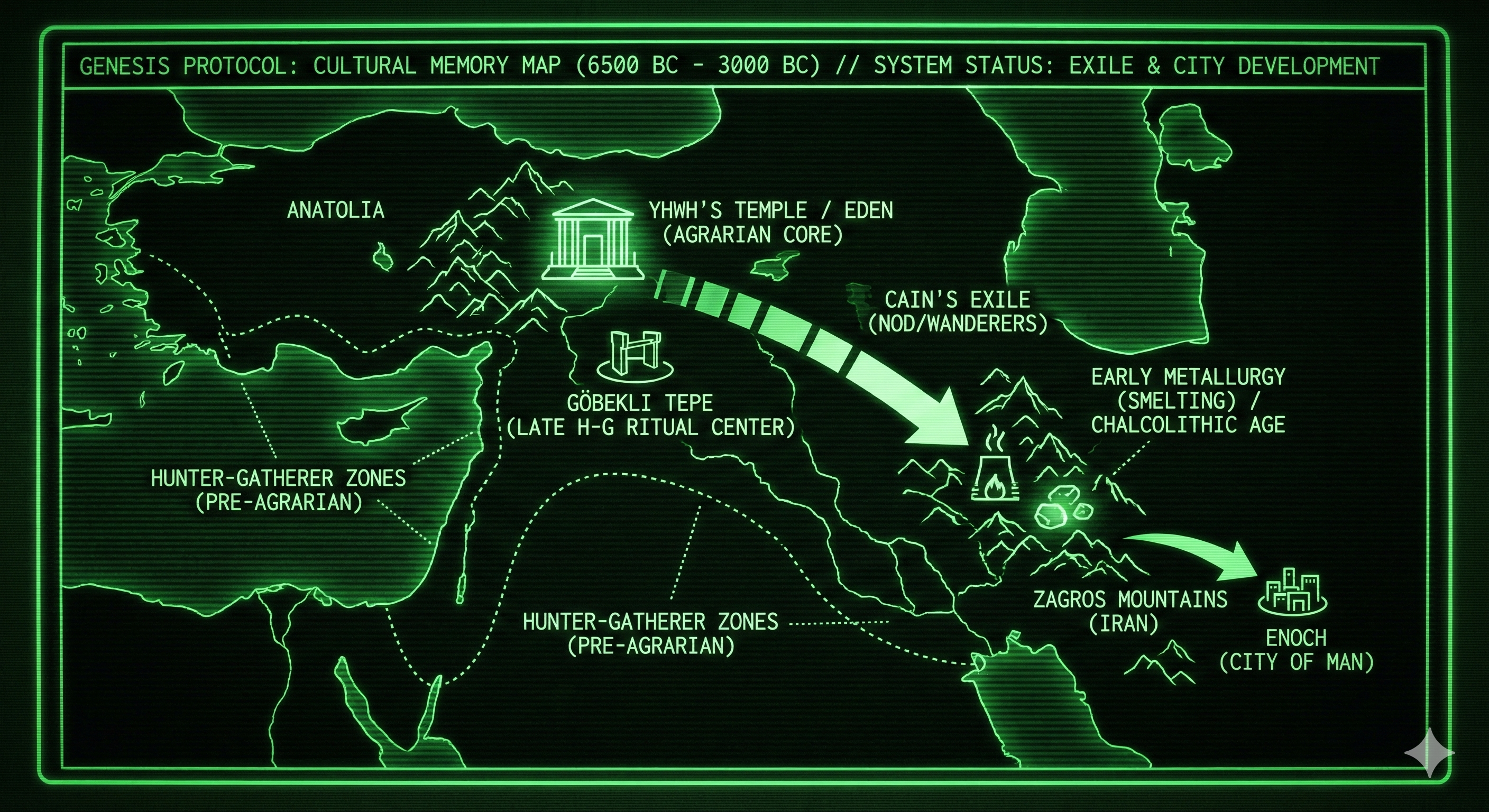
Genesis Protocol: Cultural Memory
Foundational Data: Mapping the Neolithic intersection of the City of Man and the violence ceiling of hunter-gatherer culture.
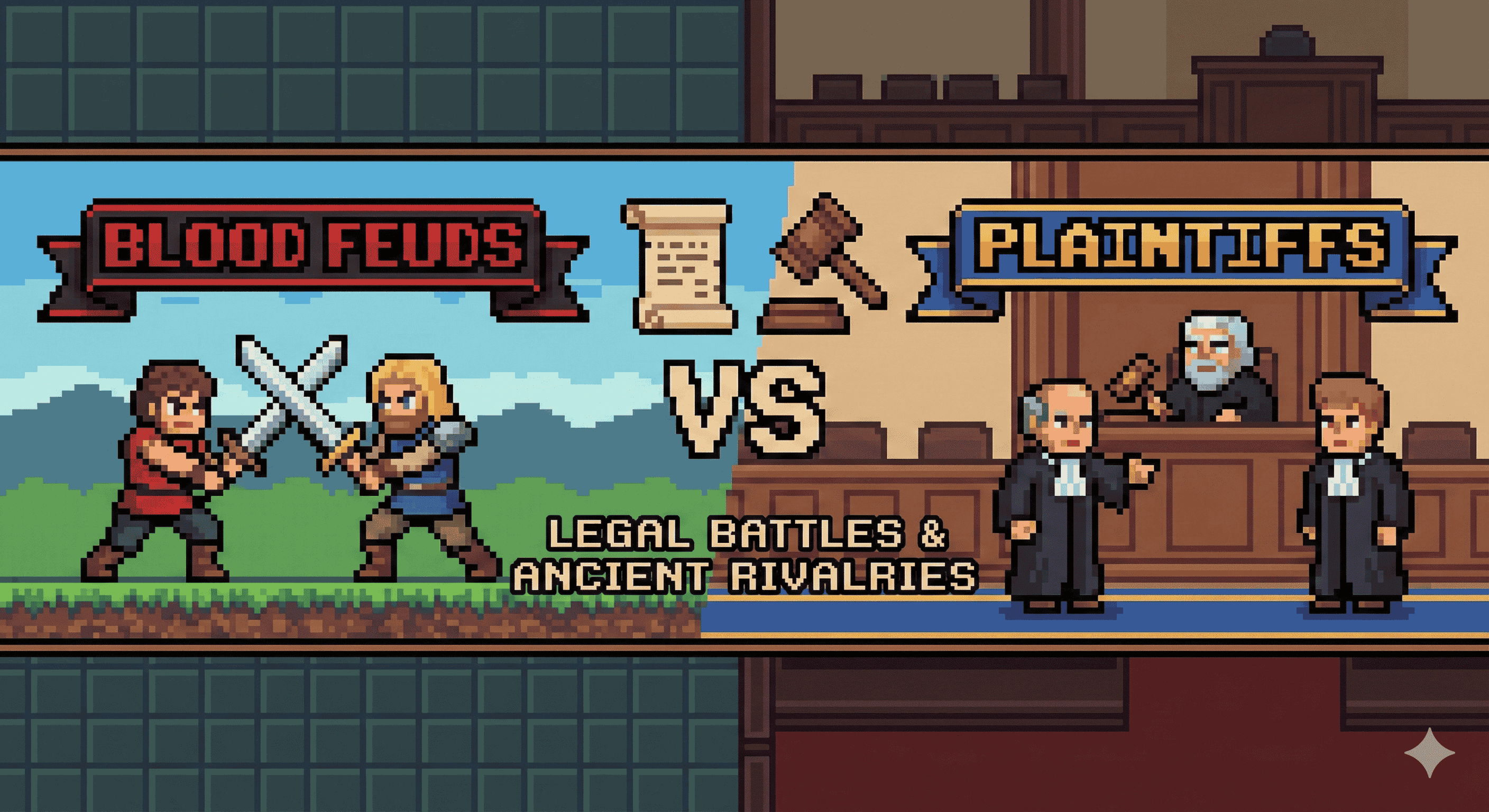
System Analysis: Blood Feuds
Modern Application: How the loss of Wergild (Law) leads to the resurgence of the Plaintiff and the endless cycle of retributive violence.
> SYSTEM ARCHITECT


Lance Miller is the architect of lancemiller.org. His operational history includes a winter-over in Antarctica (Operation Deepfreeze '96, Congressional Medal), four years in the Alaskan fishing industry (Bering Sea, '99), and fighting the historic Biscuit Fire in the Siskiyou Mountains (2002). Holding a B.S. (2003), he later served as a Test Engineer on a technology team that won an Emmy Award (2008). Based in Seattle, he now merges Unix philosophy with theology to decode the Western Tradition.
[ X.COM PROFILE ]
[ X.COM PROFILE ]
[ TAP OPTIC TO CLOSE ]