
SYSTEM DIRECTIVE: THE REALITY DOCTRINE
Civilization vs. Prehistoric Reversion
This document serves as an explicit expansion on a foundational truth: habitat restoration is fundamentally flawed and illegitimate. It represents a luxury spending category driven by an anti-civilization mindset that actively seeks to rollback human achievement. Public spending during a fiscal deficit requires a clinical, uncompromised evaluation of core governance duties, separating essential human infrastructure from romanticized, non-human aesthetics.
1. The Pure Mandate of Government: The legitimate roles of government are strictly bound to public safety, the maintenance of civil order, and the construction and upkeep of critical infrastructure. Habitat restoration stands diametrically opposed to this purpose. It is not an extension of public works; it is their deliberate dismantling.
2. The Infrastructure Axiom: Logically, Civilization is Infrastructure. Conversely, Pure Nature is Not Civilization. When public institutions spend resources to turn engineered, productive landscapes back into unregulated wilderness, they are spending taxpayer assets to diminish civilization itself.
3. Institutional Capture & The Psyop: In Washington State, the very agencies charged with maintaining civil frameworks have been subverted by an anti-civilization, semi-religious ecology ideology. To mask this reality, state and local departments run visual psychological operations on the citizenry. Concrete overpasses, bridge retention walls, and massive highway sound barriers are routinely decorated with relief murals of salmon, whales, and sweeping evergreen landscapes. These aesthetic additions add precisely zero functional engineering value. Crucially, they paste imagery of primitive nature over the very things that possess infinitely higher value than nature: the structural monuments of human engineering and connectivity.
This document serves as an explicit expansion on a foundational truth: habitat restoration is fundamentally flawed and illegitimate. It represents a luxury spending category driven by an anti-civilization mindset that actively seeks to rollback human achievement. Public spending during a fiscal deficit requires a clinical, uncompromised evaluation of core governance duties, separating essential human infrastructure from romanticized, non-human aesthetics.
1. The Pure Mandate of Government: The legitimate roles of government are strictly bound to public safety, the maintenance of civil order, and the construction and upkeep of critical infrastructure. Habitat restoration stands diametrically opposed to this purpose. It is not an extension of public works; it is their deliberate dismantling.
2. The Infrastructure Axiom: Logically, Civilization is Infrastructure. Conversely, Pure Nature is Not Civilization. When public institutions spend resources to turn engineered, productive landscapes back into unregulated wilderness, they are spending taxpayer assets to diminish civilization itself.
3. Institutional Capture & The Psyop: In Washington State, the very agencies charged with maintaining civil frameworks have been subverted by an anti-civilization, semi-religious ecology ideology. To mask this reality, state and local departments run visual psychological operations on the citizenry. Concrete overpasses, bridge retention walls, and massive highway sound barriers are routinely decorated with relief murals of salmon, whales, and sweeping evergreen landscapes. These aesthetic additions add precisely zero functional engineering value. Crucially, they paste imagery of primitive nature over the very things that possess infinitely higher value than nature: the structural monuments of human engineering and connectivity.
// SYSTEM DIRECTORY: MODULE ACCESS
> I. General Thesis: Environmental Cleanup vs. Restoration
To understand why habitat restoration must be entirely defunded, a sharp logical boundary must be drawn against valid public health mandates:
* Environmental Cleanup (Valid Human Utility): This encompasses the remediation of toxic chemical spills, industrial groundwater pollution, heavy metal containment, and municipal water safety. These actions directly preserve human life, physical health, and the integrity of economic infrastructure. It treats the environment as a resource that must remain safe for human habitation and development.
* Habitat Restoration (Invalid Aesthetic Reversion): This is a purely ideological pursuit that prioritizes a romanticized aesthetic over human utility. It operates on the flawed premise that land modified for human survival and progress is inherently "degraded" or "broken." It spends public capital to deliberately tear down civil progress—such as dikes, roads, and drainage systems—to satisfy a semi-religious yearning for an untouched prehistoric baseline.
* Environmental Cleanup (Valid Human Utility): This encompasses the remediation of toxic chemical spills, industrial groundwater pollution, heavy metal containment, and municipal water safety. These actions directly preserve human life, physical health, and the integrity of economic infrastructure. It treats the environment as a resource that must remain safe for human habitation and development.
* Habitat Restoration (Invalid Aesthetic Reversion): This is a purely ideological pursuit that prioritizes a romanticized aesthetic over human utility. It operates on the flawed premise that land modified for human survival and progress is inherently "degraded" or "broken." It spends public capital to deliberately tear down civil progress—such as dikes, roads, and drainage systems—to satisfy a semi-religious yearning for an untouched prehistoric baseline.
> II. Application: The 2026 Washington State Shortfall
Amidst Washington State’s current 2026 budget shortfall—which has already forced an immediate $10 million reduction in core operations at the Washington Department of Fish and Wildlife (WDFW)—the state continues to tolerate massive capital outlays for non-human aesthetic projects.
By halting these active infrastructure reversions, Washington can preserve critical General Fund and Climate Commitment Act (CCA) resources, balancing the budget without compromising real public safety personnel or human health cleanups.
By halting these active infrastructure reversions, Washington can preserve critical General Fund and Climate Commitment Act (CCA) resources, balancing the budget without compromising real public safety personnel or human health cleanups.
1. Island Unit Estuary Restoration
- Agency: WDFW
- Location: Skagit Wildlife Area, Skagit County
- Status: Active (2026 Re-bid / Pre-construction Phase)
- Description: A project explicitly designed to spend state capital to destroy human infrastructure. It will remove nearly 270 acres of actively managed agricultural diking and public recreational infrastructure by breaching levees and allowing tidal waters to flood the terrain.
- Fiscal Critique: The state is actively paying to destroy its own asset portfolio. Tearing down functional civil dikes to yield land to a saltwater marsh provides zero benefit to human health, while directly reducing the land mass managed for human utility.
2. Chinook Marsh Phase 1
- Agency: WDFW / County Partnerships
- Location: Southwest Washington Ecosystems
- Status: Active 2026 Capital Deployment
- Description: Expanding the floodplain and "enhancing" salmon habitat near regional water systems. The project includes an expensive overhaul to breach historic dikes, with the only human-centric component being a protective levee for an adjacent utility line.
- Fiscal Critique: The state should aggressively isolate this budget. Any capital allocated here must be strictly audited, stripping out all funding for the habitat expansion components. Funds should be diverted exclusively to the hard infrastructure repair (the utility line levee protection), while the rest of the vanity marsh conversion is terminated.
3. Stream Bug Seeding (Macroinvertebrate Micromanagement)
- Agency: Department of Ecology / WDFW
- Location: Statewide Watersheds
- Status: Ongoing Pilot Program
- Description: An engineered biological program involving the lab cultivation and artificial re-introduction of niche aquatic insects (such as caddisflies and stoneflies) into streams that already possess clean, non-toxic water chemistry but lack a "prehistoric" insect profile.
- Fiscal Critique: This is micro-management of the biological food chain at extreme public cost. The absence of specific micro-insects does not affect human health or water safety. Breeding bugs to meet an arbitrary, romantic ecological baseline is an indefensible luxury during a systemic budget crisis.
4. Duckabush Estuary Restoration Project
- Agency: WDFW / Hood Canal Salmon Enhancement Group Partnership
- Location: Jefferson County
- Status: Active 2026 Project Execution
- Description: A massive, landscape-altering engineering project that seeks to clear human-impacted areas and realign local transit vectors at the mouth of the Duckabush River. The goal is to reconnect the river to historic tidal wetlands, optimizing the landscape for wild salmon, shellfish, and waterfowl.
- Fiscal Critique: This project prioritizes prehistoric wildlife migration corridors over established human transit layouts and transportation corridors. To disrupt, modify, or tear up human infrastructure networks for the sake of waterfowl is a direct ideological assault on human dominion.
> III. Summary Matrix: Defunded Infrastructure Reversions
| Project Name | Primary Target | Human Health Benefit | Budget Action Directive |
|---|---|---|---|
| Island Unit Estuary | Reversion of human dikes to tidal marsh | None | Immediate Defunding / Halt Construction |
| Chinook Marsh Phase 1 | Floodplain expansion / Salmon habitat | Indirect (levee repair only) | Strip habitat components; fund only utility line safety |
| Stream Bug Seeding | Artificial macroinvertebrate balancing | None | Complete Elimination |
| Duckabush Estuary | Historic wetland reclamation / Transit disruption | None | Suspend State Capital Contribution |
> IV. Strategic Action Plan: Civic Counter-Offensive
To transform the core thesis from an analytical critique into an active operational strategy, we must map out the specific political leverage points, institutional targets, and grassroots mobilization tactics required to halt civilization rollback across Washington State.
1. Targeted Legislative Footprints
Political action must be concentrated on the specific legislative districts where state agencies are currently spending capital to dismantle infrastructure assets:
* Skagit County / Island Unit (Districts 10 & 39): In District 10, pressure must be focused through Rep. Greg Gilday (R) and Rep. Peter Abbarno (R), who have historical engagement with north-sound infrastructure frameworks and rural land management. In District 39, Rep. Robert Sutherland (R) and adjacent representatives from this agricultural footprint must be mobilized to protect dikes, drainage systems, and productive farmland from state-engineered flooding projects.
* Jefferson County / Duckabush Estuary (District 24): While represented by establishment figures like Rep. Mike Chapman and Rep. Steve Tharinger—who routinely champion salmon-baseline funding—the counter-offensive here relies on mobilizing county commissioners and local property-rights advocates on the Olympic Peninsula who explicitly object to the state's acquisition and tactical alteration of local transit corridors.
* Statewide Oversight / Stream Bug Seeding: Because this micro-management program originates at the agency level via the Department of Ecology, the primary intervention vectors are the ranking members of the House Environment & Energy Committee and the House Appropriations Committee, who maintain ultimate authority over agency budget lines.
* Skagit County / Island Unit (Districts 10 & 39): In District 10, pressure must be focused through Rep. Greg Gilday (R) and Rep. Peter Abbarno (R), who have historical engagement with north-sound infrastructure frameworks and rural land management. In District 39, Rep. Robert Sutherland (R) and adjacent representatives from this agricultural footprint must be mobilized to protect dikes, drainage systems, and productive farmland from state-engineered flooding projects.
* Jefferson County / Duckabush Estuary (District 24): While represented by establishment figures like Rep. Mike Chapman and Rep. Steve Tharinger—who routinely champion salmon-baseline funding—the counter-offensive here relies on mobilizing county commissioners and local property-rights advocates on the Olympic Peninsula who explicitly object to the state's acquisition and tactical alteration of local transit corridors.
* Statewide Oversight / Stream Bug Seeding: Because this micro-management program originates at the agency level via the Department of Ecology, the primary intervention vectors are the ranking members of the House Environment & Energy Committee and the House Appropriations Committee, who maintain ultimate authority over agency budget lines.
2. Ideological Allies in the Legislature
A concrete strategy requires coordinating with legislators whose profiles lean strictly on fiscal conservatism, constitutional limitations on governance, property rights protection, and traditional resource industries:
* Rep. Jim Walsh (R - District 19): As a direct critic of executive overreach, bureaucratic agency expansion, and environmental mandates that destabilize rural industrial economies, Walsh's populist-conservative alignment makes him a prime vector for running legislation rooted in a "human utility over environmental aesthetic" doctrine.
* Rep. Peter Abbarno (R - District 20): Utilizing his platform on the House Capital Budget Committee, Abbarno has consistently critiqued the misuse of state capital funds on non-essential projects during active fiscal deficits, prioritizing hard civil infrastructure like roads, bridges, and municipal water grids.
* Sen. Lynda Wilson & Sen. Chris Gildon (Senate Ways & Means): These figures focus explicitly on identifying structural state deficits and claws back public funding from non-essential, regulatory agency expansions.
* Rep. Jim Walsh (R - District 19): As a direct critic of executive overreach, bureaucratic agency expansion, and environmental mandates that destabilize rural industrial economies, Walsh's populist-conservative alignment makes him a prime vector for running legislation rooted in a "human utility over environmental aesthetic" doctrine.
* Rep. Peter Abbarno (R - District 20): Utilizing his platform on the House Capital Budget Committee, Abbarno has consistently critiqued the misuse of state capital funds on non-essential projects during active fiscal deficits, prioritizing hard civil infrastructure like roads, bridges, and municipal water grids.
* Sen. Lynda Wilson & Sen. Chris Gildon (Senate Ways & Means): These figures focus explicitly on identifying structural state deficits and claws back public funding from non-essential, regulatory agency expansions.
3. Institutional Mobilization Matrix
The logical reality that human civilization and built infrastructure carry a superior functional and moral value over unregulated wilderness resonates with specific watchdog and theological networks across the Pacific Northwest:
* The Washington Policy Center (WPC): Their Environmental Center provides the necessary data-driven critique of state environmental outlays, tracking how expensive salmon-restoration initiatives consistently fail to meet ecological targets while systematically degrading local agricultural infrastructure.
* Grassroots Infrastructure Coalitions & Citizen Action Networks: These organizations focus on state government transparency and are primed to expose the misuse of gas-tax revenues and Climate Commitment Act (CCA) dollars, which are frequently used to fund these infrastructure reversions.
* Theologically Aligned Networks: Entities like the Family Policy Institute of Washington (FPIW) provide an underlying worldview that emphasizes biblical stewardship and human exceptionalism over pantheistic or neo-pagan environmentalism. Simultaneously, independent, conservative Rural Pulpits across Eastern and rural Western Washington (including Skagit, Lewis, and Cowlitz counties) actively preach a worldview centered on human dominion over the earth rather than nature worship.
* The Washington Policy Center (WPC): Their Environmental Center provides the necessary data-driven critique of state environmental outlays, tracking how expensive salmon-restoration initiatives consistently fail to meet ecological targets while systematically degrading local agricultural infrastructure.
* Grassroots Infrastructure Coalitions & Citizen Action Networks: These organizations focus on state government transparency and are primed to expose the misuse of gas-tax revenues and Climate Commitment Act (CCA) dollars, which are frequently used to fund these infrastructure reversions.
* Theologically Aligned Networks: Entities like the Family Policy Institute of Washington (FPIW) provide an underlying worldview that emphasizes biblical stewardship and human exceptionalism over pantheistic or neo-pagan environmentalism. Simultaneously, independent, conservative Rural Pulpits across Eastern and rural Western Washington (including Skagit, Lewis, and Cowlitz counties) actively preach a worldview centered on human dominion over the earth rather than nature worship.
4. Tactical Execution Protocol
Defunding these projects during an active state shortfall requires a clinical, multi-phase operational execution:
* Phase I: Expose the Visual "Psyop" (The Aesthetic Critique): Launch targeted digital campaigns capturing high-resolution imagery of multimillion-dollar highway overpasses, retaining walls, and sound barriers across I-5 and Seattle that feature embedded relief carvings of salmon, whales, and forests. Frame these decorations as a superficial psychological operation designed to pacify taxpayers while masking the fact that the state is actively defunding civil infrastructure maintenance. The messaging pivot is clean: "Infrastructure is Civilization. Why is the state painting primitive nature over human achievement?"
* Phase II: Fiscal Forensics & Framing the Reversion: Completely replace the state's positive vocabulary. In all public testimony, press releases, and media outreach, ban terms like "restoration" and permanently substitute them with "Infrastructure Reversion" or "Civilization Rollback". Visually highlight the absurdity of state agencies claiming operational deficits while writing checks to destroy functional assets—such as paying contractors to breach Skagit County dikes at the cost of tax-producing land mass.
* Phase III: Legislative Leverage via Budget Riders: Partner directly with aligned members of the legislature to attach a strict budget proviso to the supplemental budget bill. The proviso must state: “No funds from the State General Fund or Capital Budget may be expended on projects whose primary purpose is the removal of functional civil infrastructure (dikes, levees, roads) or the artificial reintroduction of non-human biological species, unless a direct, quantifiable threat to human physical health is established.”
* Phase IV: Local Resistance & Coalition Insertion: Deploy and mobilize local diking districts, hunting conservation groups, agricultural unions, and impacted taxpayers straight into county commissioner hearings across Skagit, Snohomish, and Jefferson counties. Force high-visibility public comment periods that pin local officials down, making them choose between the protection of human-utilized, tax-producing property or funding a semi-religious ecological aesthetic at the expense of basic local public services.
* Phase I: Expose the Visual "Psyop" (The Aesthetic Critique): Launch targeted digital campaigns capturing high-resolution imagery of multimillion-dollar highway overpasses, retaining walls, and sound barriers across I-5 and Seattle that feature embedded relief carvings of salmon, whales, and forests. Frame these decorations as a superficial psychological operation designed to pacify taxpayers while masking the fact that the state is actively defunding civil infrastructure maintenance. The messaging pivot is clean: "Infrastructure is Civilization. Why is the state painting primitive nature over human achievement?"
* Phase II: Fiscal Forensics & Framing the Reversion: Completely replace the state's positive vocabulary. In all public testimony, press releases, and media outreach, ban terms like "restoration" and permanently substitute them with "Infrastructure Reversion" or "Civilization Rollback". Visually highlight the absurdity of state agencies claiming operational deficits while writing checks to destroy functional assets—such as paying contractors to breach Skagit County dikes at the cost of tax-producing land mass.
* Phase III: Legislative Leverage via Budget Riders: Partner directly with aligned members of the legislature to attach a strict budget proviso to the supplemental budget bill. The proviso must state: “No funds from the State General Fund or Capital Budget may be expended on projects whose primary purpose is the removal of functional civil infrastructure (dikes, levees, roads) or the artificial reintroduction of non-human biological species, unless a direct, quantifiable threat to human physical health is established.”
* Phase IV: Local Resistance & Coalition Insertion: Deploy and mobilize local diking districts, hunting conservation groups, agricultural unions, and impacted taxpayers straight into county commissioner hearings across Skagit, Snohomish, and Jefferson counties. Force high-visibility public comment periods that pin local officials down, making them choose between the protection of human-utilized, tax-producing property or funding a semi-religious ecological aesthetic at the expense of basic local public services.

Theological Logistics
System Analysis: The Divine Hijack
The Doctrine of Strategic Appropriation: Examining how infrastructure, law, and structural civilization are annexed and repurposed to serve higher systemic truths.
> SYSTEM ARCHITECT
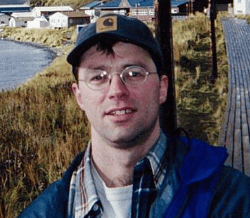
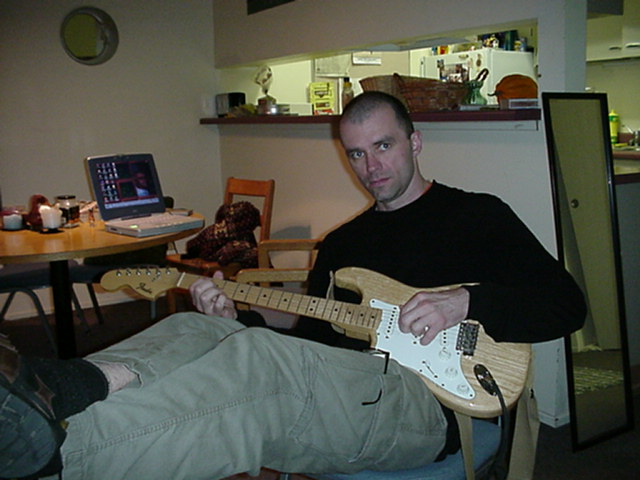

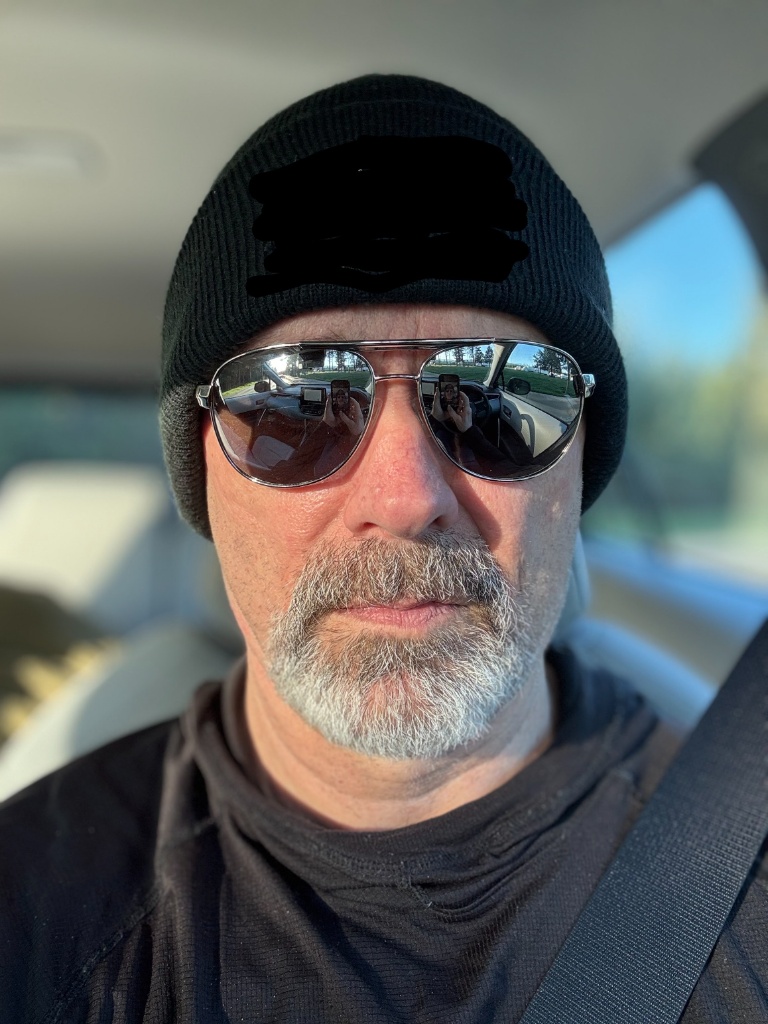
Lance Miller is the architect of lancemiller.org. His operational history includes a winter-over in Antarctica (Operation Deepfreeze '96, Congressional Medal), four years in the Alaskan fishing industry (Bering Sea, '99), and fighting the historic Biscuit Fire in the Siskiyou Mountains (2002). Holding a B.S (2003), he later served as a Test Engineer on a technology team that won an Emmy Award (2008). Based in Seattle, he now merges Unix philosophy with theology to decode the Western Tradition.
[ X.COM PROFILE ]
[ X.COM PROFILE ]
[ TAP OPTIC TO CLOSE ]